2008 Post Tractus
2008 · Colombia
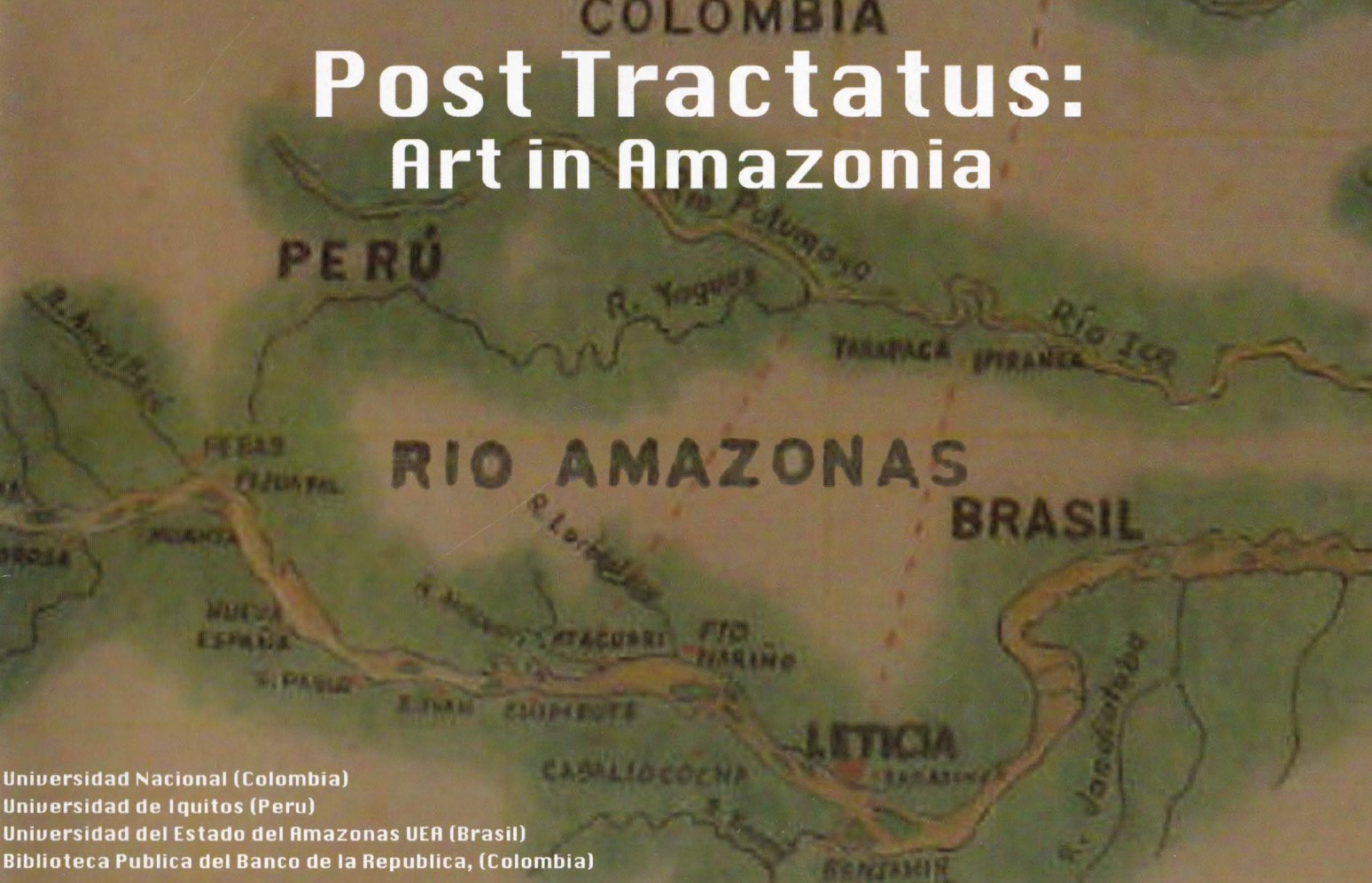
2008 Post Tractus
2. 1 We picture facts to ourselves. 2. 11 A picture presents a situation in logical space, the existence and non-existence of states of affairs. 2. 12 A picture is a model of reality. 2.13 In a picture objects have the elements of the picture corresponding to them. 2. 131 In a picture the elements of the picture are the representatives of objects. 2. 14 What constitutes o picture is that its elements ore related to one another in o determinate way. 2. 141 A picture is a fact. 2. 15 The fact that the elements of o picture are related to one another in o determinate way represents that things are related to one another in the same way. Let us call this connexion of its elements the structure of the picture, and let us call the possibility of this structure the pictorial form of the picture. 2. 151 Pictorial form is the possibility that things are related to one another in the some way as the elements of the picture. 2.1511 That is how o picture is attached to reality; it reaches right out to it. 2.1512 It is laid against reality like o measure. 2.15121 Only the end-points of the graduating lines actually touch the object that is to be measured. 2.1514 So a picture, conceived in this way, also includes the pictorial relationship, which makes it into a picture. 2. 1 5 15 These correlations ore, as it were, the feelers of the picture's elements, with which the picture touches reality. 2. 16 If a fact is to be a picture, it must have something in common with what it depicts. 2. 161 There must be something identical in o picture and what it depicts, to enable the one to be a picture of the other at all. 2. 17 What o picture must have in common with reality, in order to be able to depict it--correctly or incorrectly- -in the way that it does, is its pictorial form.
The Wittgenstein who wrote Tractatus Logico-Philosophicus believed that language is a tool of knowing and if the logic is used properly, eventually, philosophical questions can appropriately be discovered and resolved. Thirty-two years later, in Philosophical Investigations, on the other hand, Wittgenstein indicts philosophy for the misuse of language. Rather than existing as an external tool, language in Philosophical Investigation is at the core and a part of the human experience. Language in this sense is organic, imprecise, impressionistic, and appropriate to the task of human conduct. In fact, the dynamic of language is similar, if not the same as a game and he identifies this form of human interaction as "language games" Furthermore, language is always contextually variable, making it unsuitable for tasks such as metaphysical investigation, since metaphysical experience is outside the realm of human experience. The discoveries about language in Philosophical Investigations humanize the task of knowing and they provide a dynamic model of human expression. The post-tractatus world that Wittgenstein predicates is one in which language, (visual or lingual), is meaningful when it is dynamic, and that dynamism is activated through "normal" human interaction. Post-Tractatus is an exhibition of works by more than fifty visual artists who are working in a world of ideas, verbal and visual, the language of which is human-centered and which investigates the human condition through direct experience. For artists, process-technical, and material-is
The diversity of media, expressive content, process, and formal construction in this exhibition indicate a confidence in expressive potential that faithfully, if paradoxically, appears in times of political darkness and spiritual ambiguity. This represents an attitude towards knowledge that is represented in the difference that we see between Wittgenstein's Tractatus Logico-Philosophicus and his Philosophical Investigations which, as it turns out, is decidedly post-tractatus. Eugene Stewart-Huidobro Associate Professor of Art Regis University, Denver Colorado Sources: Wittgenstein, Ludwig. Philosophical Investigations, New York, Macmillan, 1953. Wittgenstein, Ludwig. Tractatus Logico-Philosophicus, London, Routledge & Kegan Paul Ltd. 1922. page 6
Dr. Rivera's Artwork in this Exhibition
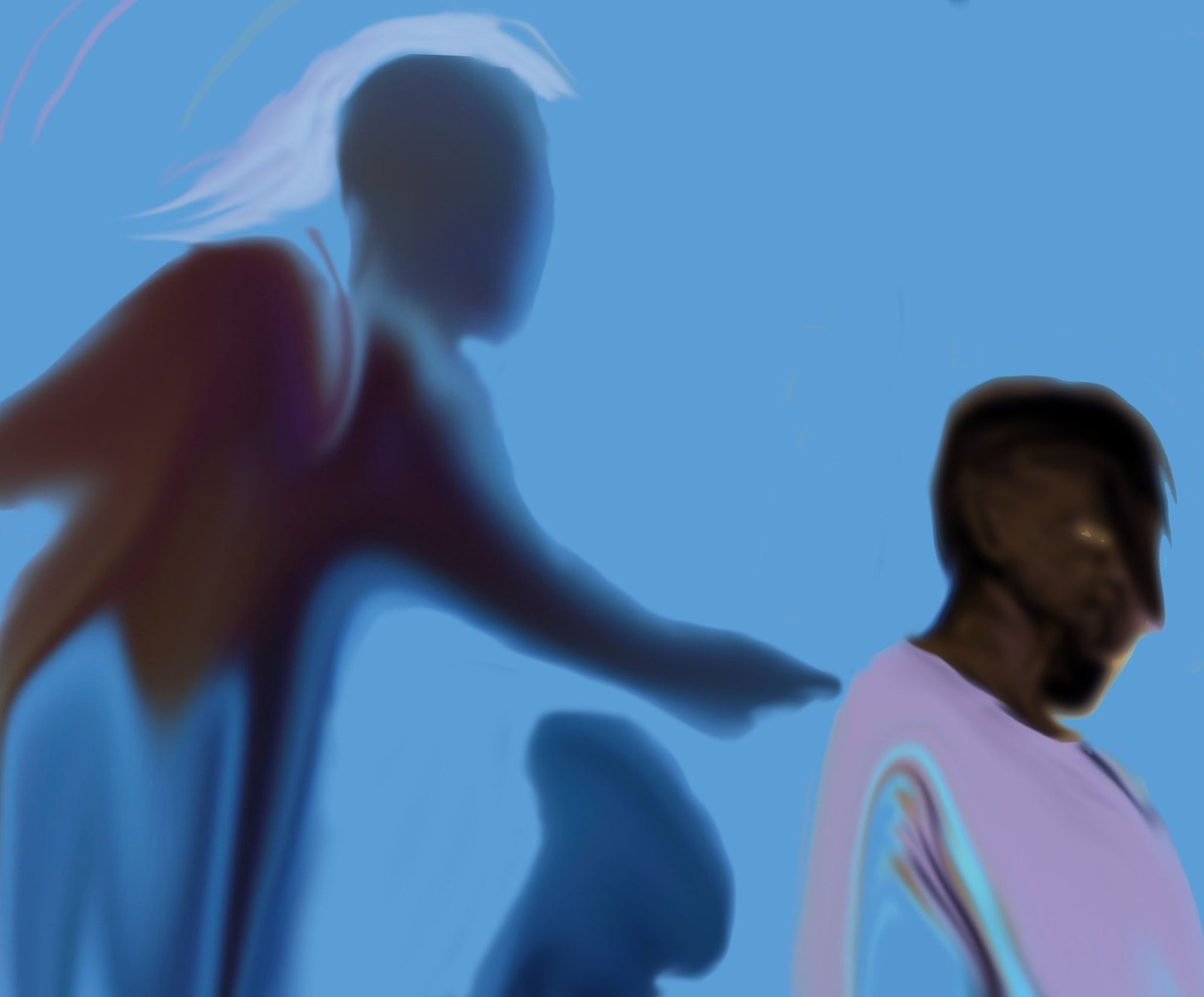
Natural Selection, 2005